Five Product Placements That Actually Worked Well
I’ve always loved movies and TV. At some point, I started paying more and more attention to how brands are shown in them. Characters are always using specific phones, wearing certain clothes or drinking the same drinks over and over again. Sometimes it is obvious, but the placements that actually work are the ones you barely notice.
The best product placement doesn’t feel like an ad. It just makes sense in the scene and for the characters.
That is why product placement is such a strong marketing tool. Instead of interrupting viewers, the brand shows up while people are already paying attention. If it fits the story, it works. If it doesn’t, it’s immediately obvious. Think of the Starbucks in “Game of Thrones” incident.
Some placements you forget immediately, and others just work.
Here are five examples that actually worked.
Instagram, “Emily in Paris” (2020–present)
Moussa Sylla/Netflix
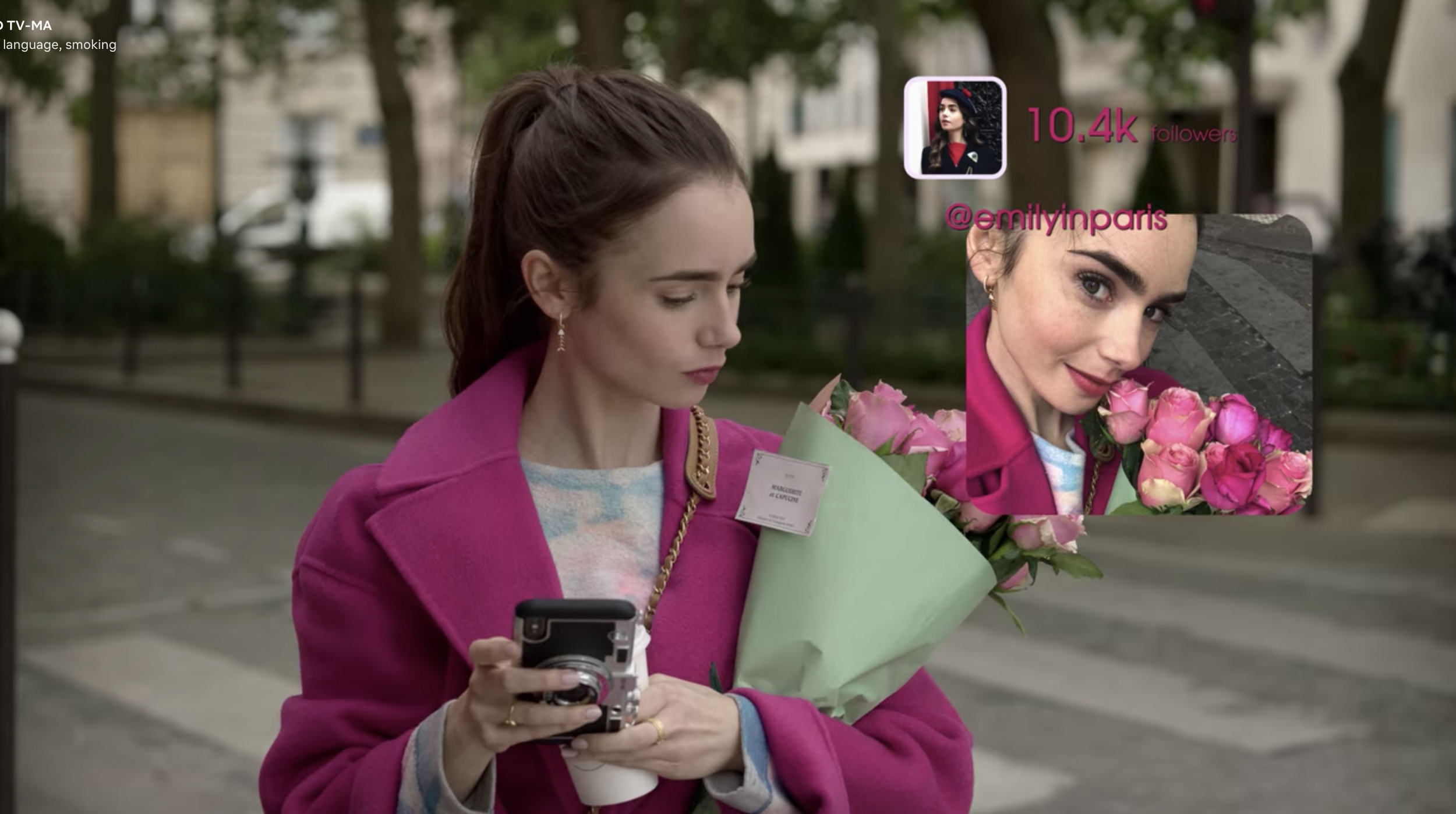
In “Emily in Paris,” social media is built into the story. Emily works in marketing and a large portion of the story follows their agency’s campaigns, influencers and content performances. This allows Instagram to fit naturally into that world.
A lot of what she posts is personal as she documents her new life abroad in Paris, but that still connects to her work. In her position, she mixes her personal branding and professional work, so her content makes sense for both.
Her use of Instagram also moves the story forward. It shapes how she presents herself and how others respond to her, instead of just sitting in the background.
The app does not feel out of the ordinary. It matches the character, the job and the setting, so it works well and further drives the story.
Ray-Ban, “Top Gun” (1986)

Sunset Boulevard/Getty Images
This is one of the most recognizable examples of product placement and it still works decades later.
Tom Cruise wearing Ray-Ban aviators in “Top Gun” was not just a styling choice. It became part of the character and helped define the iconic look. This made the sunglasses stand out and further form the character and film’s image.
After the film’s release, Ray-Ban saw a nearly 40% increase in sales, according to GQ. The sunglasses were not openly advertised to the audience but instead became part of an iconic character look.
The product was not promoted in a way where it was forced into the film. It worked well because the sunglasses fit the character and the overall tone of the film.
Prada, “The Devil Wears Prada” (2006)
20th Century Fox/Courtesy Everett Collection
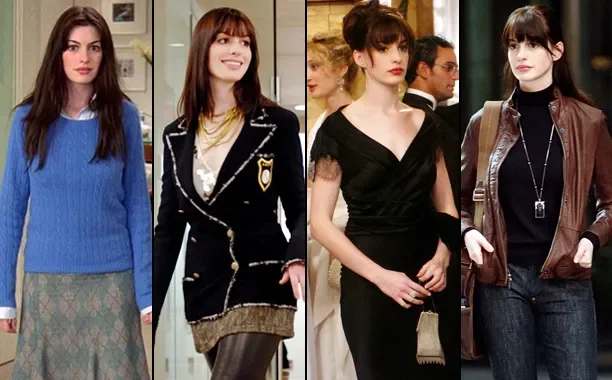
In “The Devil Wears Prada,” fashion is central to the story, so brand placement is something expected from the story. What makes it effective is how it is used to show character development.
At the beginning of the film, Anne Hathaway’s character does not understand fashion. As she becomes part of that world, her wardrobe changes, and brands like Prada reflect that shift.
The placement is not random, it’s integral to the story. Designer brands, especially Prada, are essential to her growth, showing the change in her identity without needing to explain it.
It also reinforces the environment. The film presents the fashion industry as exclusive and detail-oriented, so the consistent presence of recognizable luxury brands makes the world more believable.
Eggo, “Stranger Things” (2016–2025)
Curtis Baker/Netflix
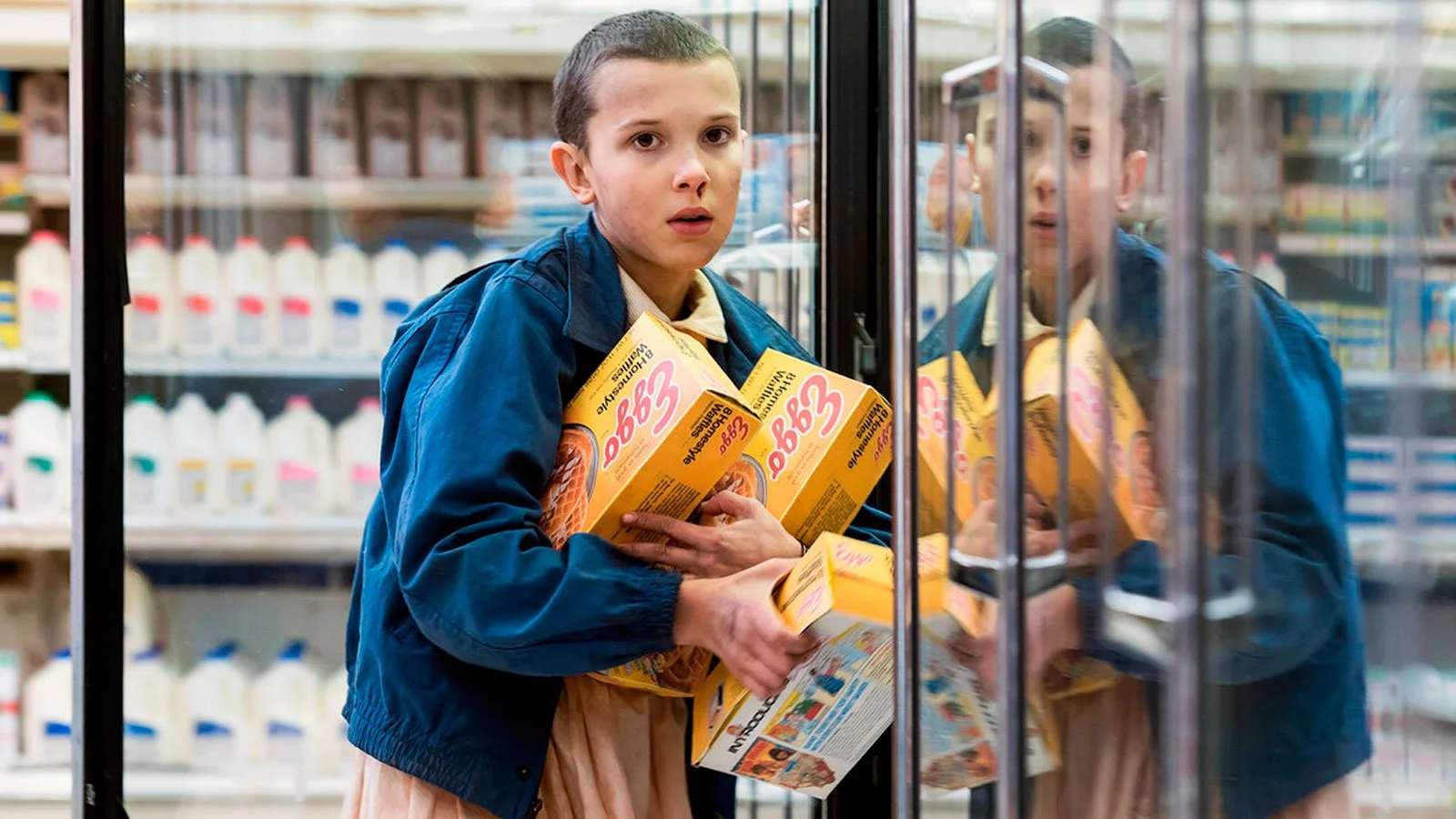
In “Stranger Things,” Eggo waffles are tied directly to the character.
Eleven is repeatedly shown eating Eggos, so the product becomes associated with her over time. The product became so closely associated with her that when people dress as her, they usually include an Eggo box.
The placement makes sense within the story. The waffles are introduced as one of the first things she connects with, so they become part of how the audience understands her.
That connection is what makes it effective. The product is tied to a specific character and moment, which gives it meaning beyond just being on screen.
Swig, “The Secret Lives of Mormon Wives” (2024)
Hulu
This is a personal favorite and more recent example of product placement that blends into the story.
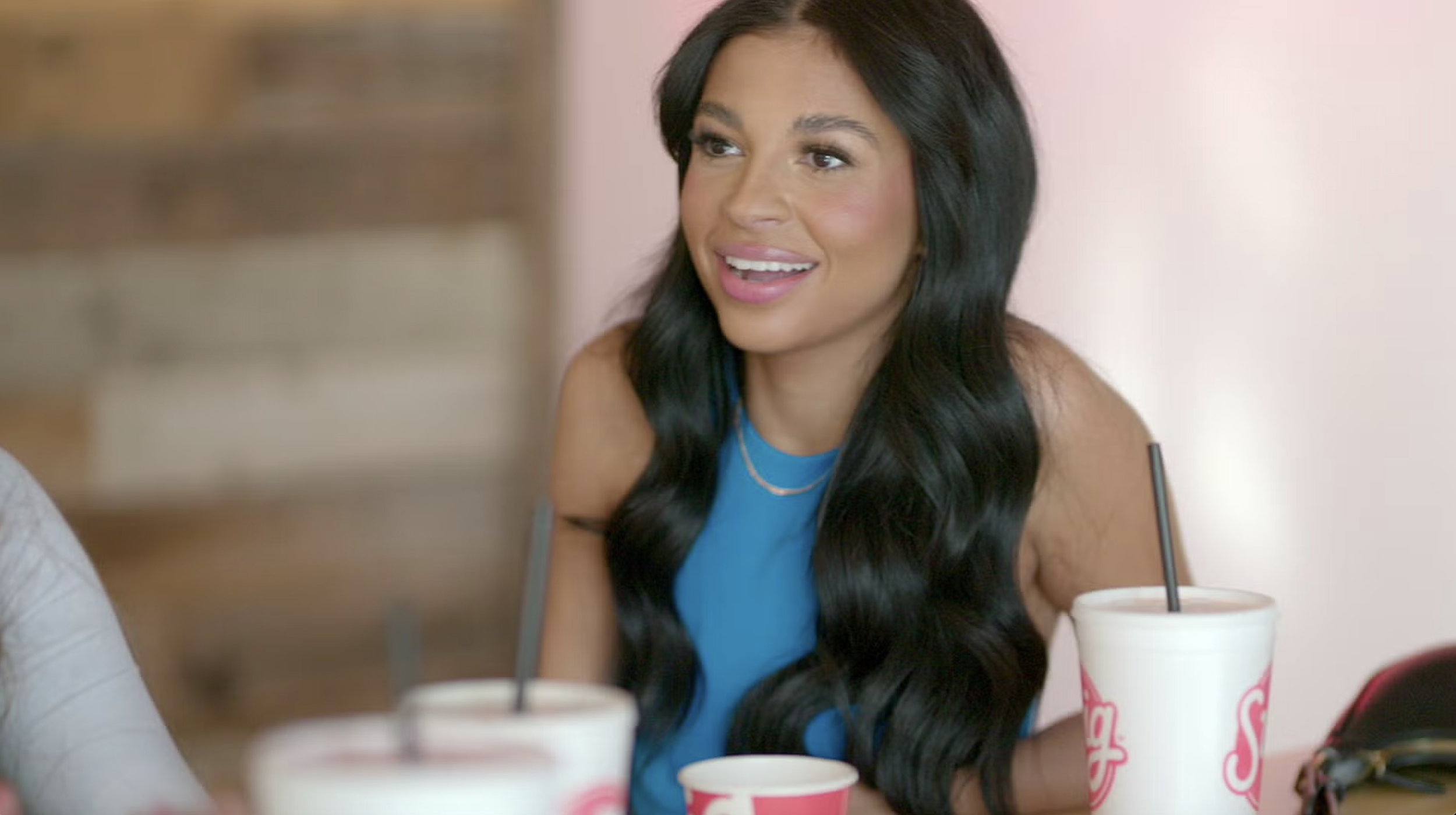
In “The Secret Lives of Mormon Wives,” the women are constantly drinking Swig, whether they are discussing the future of MomTok, collaborating with other brands or making TikToks. It’s not presented like a product placement, but it stands out because it keeps showing up. It’s also hard to miss when the same Swig cups appear in multiple scenes at various houses and locations.
The product placement works well because it reflects the culture of the setting. Swig is already popular in Utah, especially within Mormon communities, so the presence makes sense and is natural to the cast.
The repetition also makes it memorable. Even if viewers were not familiar with the brand before, they start to associate it with the mom’s of MomTok and their routines.
The show’s consistent placement of Swig drinks has made the brand more noticeable, even to viewers outside of Utah, including myself. The product placement does not interrupt the show or feel forced. It fits into their everyday life.
Plus, could the future of MomTok survive without Swig?
Conclusion
Product placement works best when it doesn’t feel like marketing.
When a brand fits the character, the setting or the story, it doesn’t feel out of place. When it does not, it is obvious and takes you out of the story.
Movies and shows give brands a way to show up without interrupting anything. They are already part of what people are watching, so the placement either fits or it does not.
Across these examples, the difference is simple. The product makes sense in the scene. It matches the character, the environment or the tone of the story.
When that happens, it does not need attention. It is just part of what is already there, and that is what makes it memorable.
